At LiveWebinar, we see every day how webinars help brands connect with people on a real, human level. In our latest report, we found that webinars are now one of the most effective marketing tools, especially in a world where artificial intelligence, automated content, and chatbots are everywhere. The numbers tell a clear story: 83% of people say they make a buying decision after attending a webinar.
Our Global Research
For our “State of Webinars 2026” report, we surveyed 433 people from over 40 countries, including the USA, Poland, the UK, Canada, and Germany. This group included marketers, business owners, and regular webinar attendees. Thanks to their feedback, we got a broad and accurate picture of how webinars are changing worldwide.
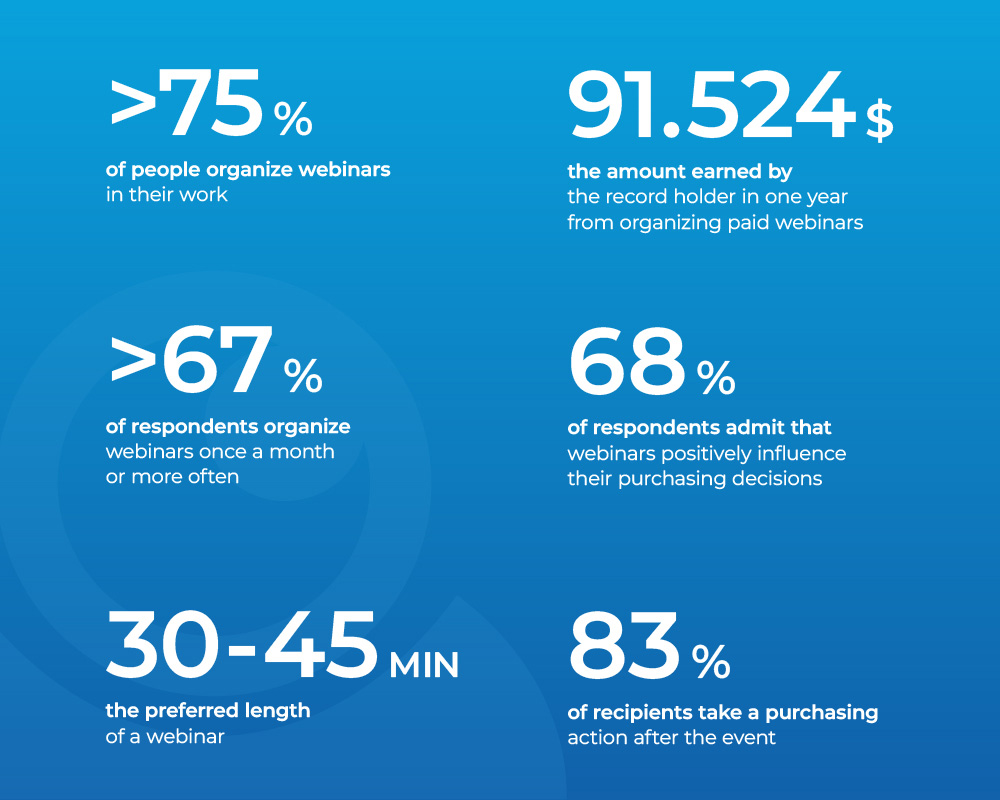
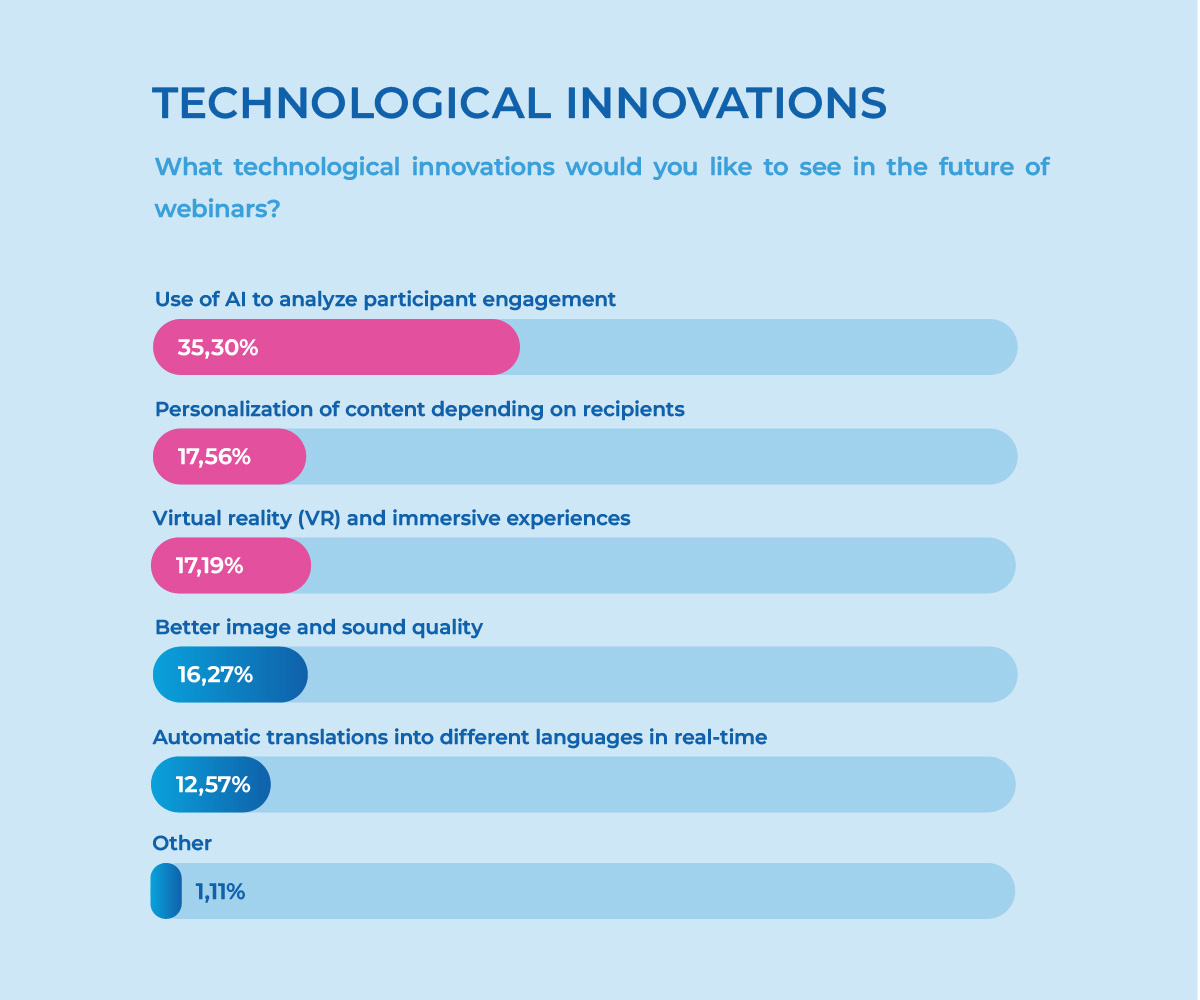
Our research shows that over 75% of respondents organize webinars as part of their job, and more than 67% do it at least once a month. Most importantly, almost 70% said attending a webinar directly influenced what they decided to buy. After the event, more than 80% of people took action, like buying a product, signing up for a demo, creating a trial account, or sharing their contact details.
Why does this happen? In our experience, webinars work where other channels sometimes fail. They allow people to talk directly to an expert, see a product in action, and ask questions live. In a world full of AI-generated content, this builds trust much faster than advertising alone
Why webinars are so popular?
Webinars Are Cost-Effective
Our report shows that webinars are also budget-friendly marketing tools, especially for B2B. The average cost per webinar lead is between $45 and $98, much less than most paid ads or in-person events. One of our survey participants generated over $91,000 in a year just from webinars!
Shorter, More Dynamic Webinars Work Best
Webinar formats are changing too. People now prefer shorter, focused sessions—about 30–45 minutes, packed with value. Long, boring presentations are being replaced by more dynamic events with live polls, Q&A, and short video clips. Getting attendees involved during the webinar makes them more likely to buy afterward.
Automation and Live Events: Two Key Trends
Looking ahead, we see two main directions. Automated, on-demand webinars are getting more popular for those who use AI and marketing automation. At the same time, hybrid events, which mix online and offline experiences, help organizers reach more
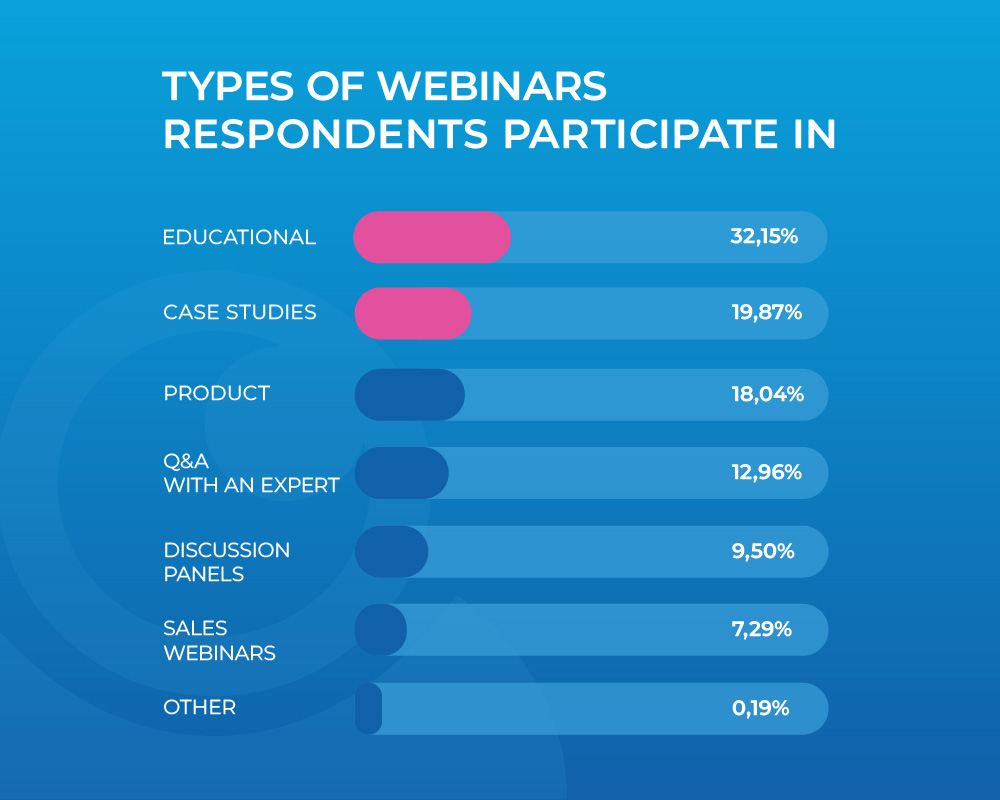
We found that 77% of participants prefer educational or product-focused webinars. The message is clear: teaching sells better than just promoting. People want to learn and see value before they make a decision.
Panel discussions with guest experts are also becoming more common, showing that audiences expect high-quality, useful online events.
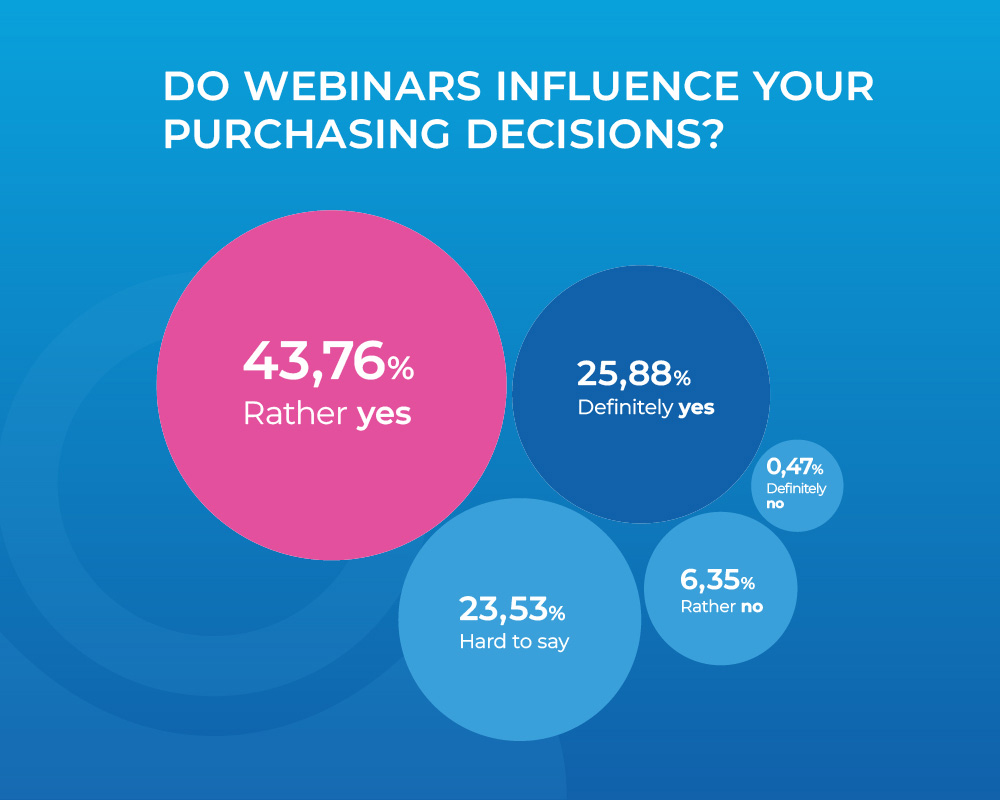
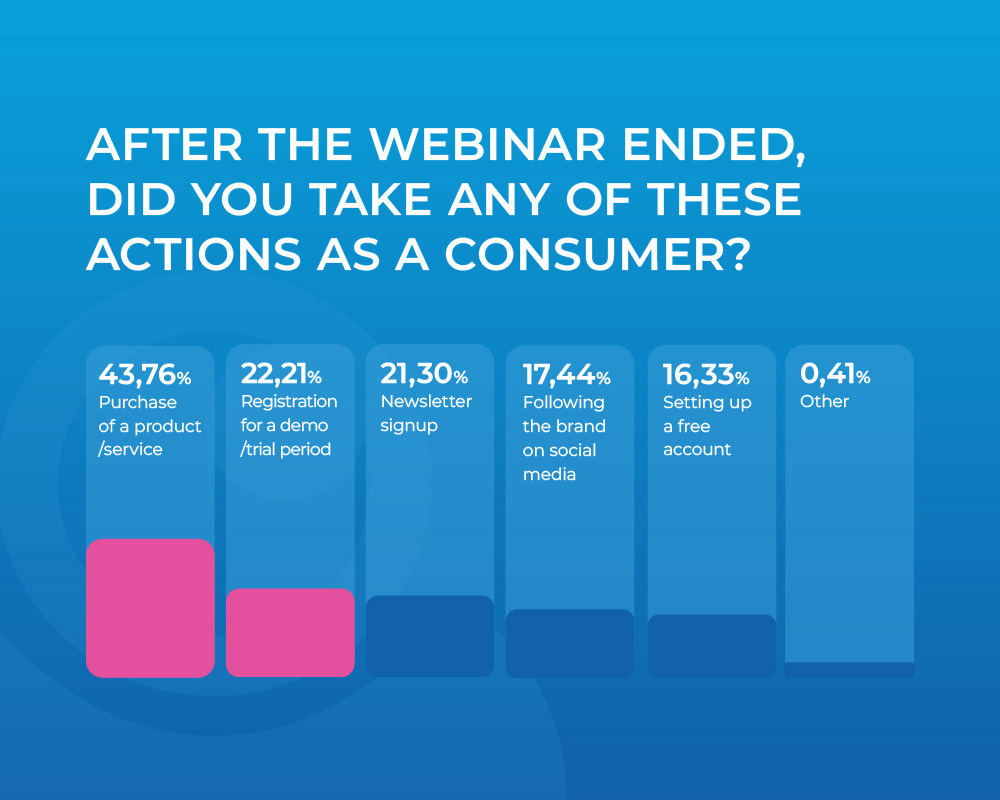
Our report makes one thing clear: webinars are no longer just for presentations: they are now a key part of the buying process in the age of AI. It’s not about how many people attend, but about real conversation and real influence.
At LiveWebinar, we believe that companies who share their knowledge honestly and directly earn something AI can’t create: customer trust. This trust sells products, builds relationships, and creates real business advantages. In uncertain times, webinars are a smart, resilient tool: affordable, measurable, and able to turn interest into real sales. By 2026, webinars have become one of the strongest parts of any marketing strategy, not just something extra.
Our full “State of Webinars 2026” report is available to download at LiveWebinar.
Recent Comments